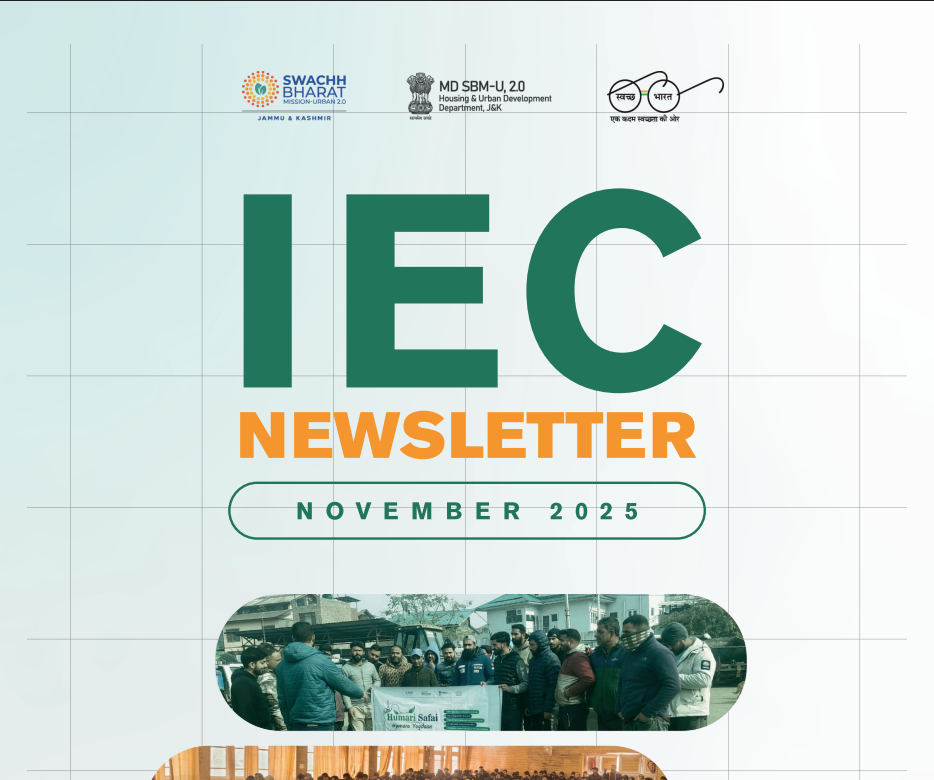
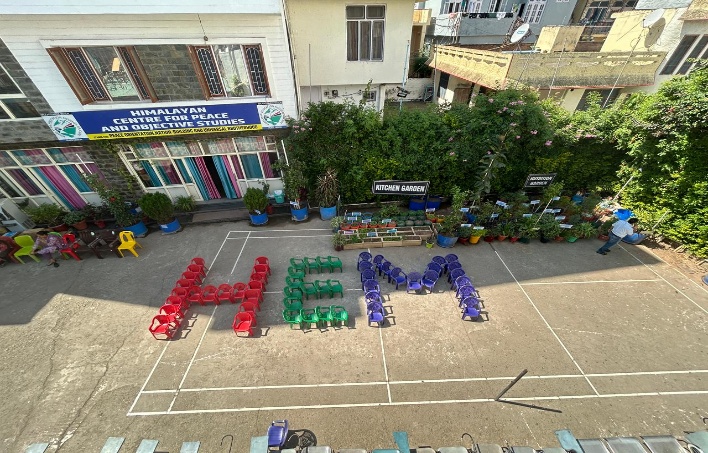
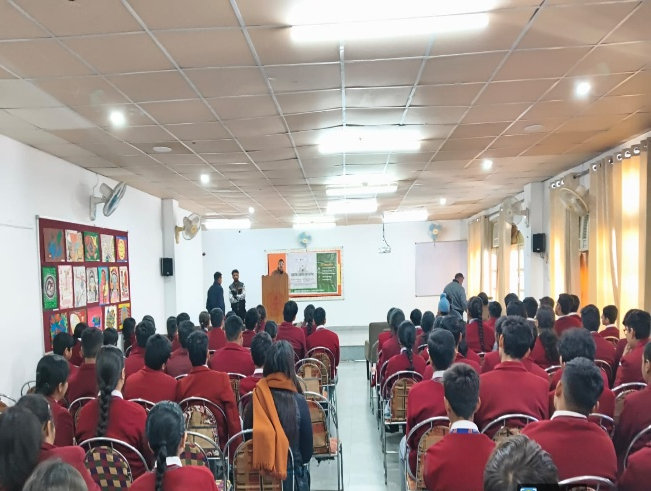
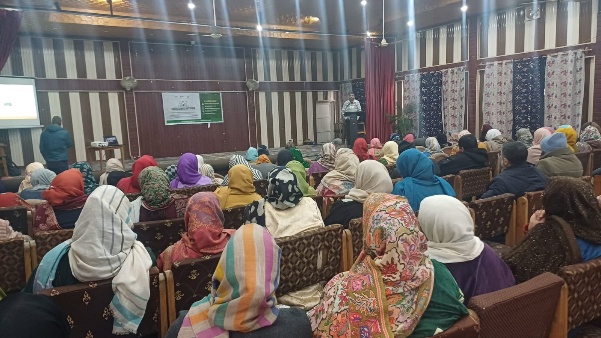
Under the leadership of Commissioner Dr. Devansh Yadav IAS, the Jammu Municipal Corporation (JMC), in collaboration with M.A.M. College Jammu, carried out a focused sanitation drive in Ward No. 19. The initiative was part of the ongoing “Har Shaniwar Swachhta Tyohar” campaign which encourages regular and active public participation in keeping the city clean.
Students and faculty members from M.A.M. College participated enthusiastically alongside the JMC sanitation team and the Swaaha IEC Executive. Their collective effort reflected a strong sense of responsibility towards their surroundings.
Sanitation Officer Mr. Arun Nayar and Sanitary Inspector Mr. Sunny Khokhar were also present and provided active on-ground support throughout the drive.
The event served as a reminder that consistent and collaborative efforts between citizens and civic authorities can lead to visible improvements in cleanliness at the local level. It also helped spread awareness about the importance of routine sanitation and community-driven action.
Jammu Municipal Corporation’s Clean Jammu and Green Jammu Campaign
Jammu, June 12, 2025 What began as a routine plantation drive turned into a vibrant citywide movement when the Jammu Municipal Corporation (JMC) launched a large-scale tree plantation initiative under its visionary CleanJammu and GreenJammu campaign. The mission: to foster a greener, healthier and more breathable Jammu for generations to come.
Led by the dynamic Commissioner Dr. Devansh Yadav, IAS, the campaign sparked not just a civic activity but a heartfelt movement. His words“A tree planted today is a gift to future generations. Let us unite to build a cleaner, greener and pollution-free Jammu because every plant counts and every action matters” resonated across neighborhoods, schools, offices and community spaces.
Citizens responded with energy and enthusiasm. From schoolchildren clutching saplings with pride to senior citizens nurturing plants outside their homes, Jammu saw green taking root everywhere. Swachhta Influencers, Ambassadors, RWAs, NGOs and media houses joined hands to spread awareness and plant hope.
The launch event itself set the tone, with key dignitaries like Mr. Abdul Sattar (JKAS), Joint Commissioner (Health and Sanitation); Dr. Divya Sharma (VAS); Er. Dharamveer Singh (CTO); DFO Urban Forestry; Ms. Rabia Khan (AFO) and the spirited SWAAHA Team rolling up their sleeves to lead by example. Saplings of indigenous species were carefully planted in parks, road dividers and open spaces turning grey patches into green zones.
What made this drive remarkable was not just the number of trees planted, but the sense of ownership it instilled. Volunteers tagged their trees, pledged to water and protect them and even shared stories on social media, turning the campaign into a citywide celebration of environmental responsibility.
More than just planting trees, the campaign rekindled a sense of community. It reminded everyone that a sustainable future is not just an institutional responsibility it’s a personal one.
As saplings take root and begin to flourish, so does the hope for a more breathable and beautiful Jammu. Through this united effort, JMC has set a powerful example of how civic leadership, when combined with public participation, can truly transform a city’s future.
The seeds have been sown both in the soil and in the hearts of the people.
On June 5 2025 the city of Jammu witnessed more than just a celebration it saw a movement. Under the leadership of the Jammu Municipal Corporation (JMC) World Environment Day unfolded as a series of heartfelt actions bringing together school children sanitation workers students officials and citizens in a collective pledge for a cleaner greener Jammu.
The day began on an inspiring note as hundreds of citizens gathered at the Gujjar Nagar bridge over the Tawi River. There a human chain was formed more than just hands linked together it was hearts united for the planet. The chain was ceremonially flagged off by MLA Jammu East Shri Yudhvir Sethi joined by Deputy Commissioner Jammu Sachin Kumar Vaishya and JMC Commissioner Dr Devansh Yadav. Students held up placards sanitation workers raised slogans and the energy in the air was unmistakably one of hope and change.
The chain didn’t just stop at the bridge it culminated at Maharaja Hari Singh Park with an oath taking ceremony where everyone present reaffirmed their commitment to not litter and to embrace sustainable living. It wasn’t just symbolic it was emotional. For many students it was their first time standing for an environmental cause. For officials it was a chance to connect with citizens on the ground.
The momentum didn’t fade it only grew. Soon after a plantation drive swept across the park. Children and elders alike dug into the soil planting saplings that now stand as green reminders of their promise. Dignitaries officers and citizens all pitched in turning words into action and action into legacy.
In his address the JMC Commissioner emphasized how even small consistent steps like saying no to plastic or disposing of waste correctly can leave a lasting impact. He called upon people to stop polluting water bodies and urged adoption of sustainable waste practices. The Deputy Commissioner echoed this urging people to plant trees and reduce their pollution footprint.
The highlight of the event wasn’t just in the formal addresses but in the genuine participation. Civil society groups school students sanitation champions and JMC teams everyone played their part. Their actions weren’t staged for photos they were real raw and reflective of a community that deeply cares.
Also present were key officers including Environmentalist Retd IFS OP Sharma Joint Commissioner (A) JMC Krishan Lal Joint Commissioner Health and Sanitation Abdul Sattar Health Officer Dr Vinod Sharma Chief Transport Officer Dharameer Singh Animal Welfare Officer Dr Gourav Choudhary MVO Dr Jaswant Singh VAS Dr Divya Sharma VAS Dr Priyanka Malhotra Chief Revenue Officer JMC Sunil Gupta besides a large number of locals and students from educational institutions who were present on this occasion.
This wasn’t just an event it was a story of solidarity. A story where Jammu didn’t wait for change but became the change.
On World Environment Day, June 5, 2025, Anantnag district came alive with action as its urban local body led by Peerzada Mohammad Syed (MLA Anantnag), Suhail Ahmad Malik (CEO, Municipal Council Anantnag), Asadullah (Secretary, MC) and supported by Swaaha Resource Management and Municipal Council Anantnag launched a powerful Plog Run. Joined by NCC cadets, school students and civic officials, this event perfectly blended fitness, community pride and environmental consciousness.
Plog Run – Run with a Purpose
Participants jogged through the main market, collecting litter, turning streets into living awareness canvases. Echoing slogans like “Plastic In, Fabric Out”, they emphasized clean streets and plastic reduction, drawing widespread public attention.
Jute Bags for Plastic-Free Living
To amplify the impact, participants distributed jute bags to local residents making them aware of the harmful effects of polythene use and encouraging sustainable daily habits.
Official Rally & Civic Participation
MLA Peerzada Mohammad Syed and CEO Suhail Malik personally led an awareness march, placing environmental stewardship at the heart of civic governance NCC cadets and school students carried placards, vocalizing the call for reduced plastic, water conservation and afforestation.
Swachh Bharat Mission–Urban Recognition
The Municipal Council’s commitment earned a spotlight in the Swachhta Express weekly series by SBM‑Urban. Anantnag was showcased across social media platforms as a model city actively implementing the Clean India initiative.
Looking Ahead
Anantnag’s Environment Day plog run is more than a one‑day event it marks the beginning of a vibrant, community-driven movement toward a cleaner, greener future. The momentum is set to continue, with hopes for more eco-initiatives, citizen engagement and institutional support. Anantnag district’s Environment Day plog‑run was a holistic triumph melding leadership, youth involvement, public visibility and national-level recognition. It stands as a shining success story in realizing the spirit of the Clean India initiative.
From Rajouri to Kupwara, communities came together not just to run, but to make every step count for the environment.
World Environment Day 2025 witnessed something extraordinary across the length and breadth of Jammu & Kashmir. Streets turned into stages of action as citizens laced up their shoes and picked up waste bags for a cause that unites us all our planet.
A statewide series of Plog Runs a unique blend of jogging and litter collection transformed neighborhoods into hotspots of environmental awareness, physical well-being and civic responsibility.
From the bustling markets of Handwara to the green fields of Udhampur, hundreds joined hands students, municipal workers, sanitation teams and volunteers. This wasn’t just about running; it was about reclaiming our shared spaces with purpose and pride.
At the heart of the initiative were the Swachhta Executives deployed by Swaaha Resource Management, who worked tirelessly to ensure smooth planning, vibrant execution and long-lasting community awareness.
Local Efforts, United Impact
Each town brought its own unique energy to the campaign:
In Udhampur, the Mini Stadium echoed with cheers as schoolchildren and municipal staff came together for a spirited community run.
Rajouri’s event drew enthusiastic crowds and was graced by the presence of Hon’ble MLA Mr. Iftikhar Ahmed, with Swaaha teams expertly handling logistics, volunteer coordination and media coverage.
In Kupwara and Handwara, the streets buzzed with energy. Students, sanitation workers, and forest officials marched together, raising slogans like “Plastic Out, Fabric In” as they wound through the heart of town.
Beyond Plogging: A Day of Green Action
World Environment Day was more than just plogging. Communities across the UT embraced a wide range of climate-positive actions:
Green Pledge Ceremonies – Citizens came forward to take meaningful oaths to reduce plastic use and adopt sustainable habits.
Plantation Drives – Fresh saplings were planted, adding life to public spaces and community parks.
Awareness Rallies – Campaigns promoted the use of cloth bags and highlighted the importance of RRR (Reduce, Reuse, Recycle) centers.
In Langate, creativity met awareness with “Plastic Bhiksha” a door-to-door campaign where volunteers collected plastic waste while educating shopkeepers and households.
A Synchronized Effort Across the UT
What made this year’s campaign truly remarkable was the seamless coordination across towns. Swaaha’s teams went above and beyond mobilizing schools, distributing IEC (Information, Education & Communication) material, aligning timelines and supporting local governance in executing impactful events.
What could have been standalone activities evolved into a statewide environmental movement, built on collaboration, consistency and community ownership.
A Lasting Message
As the sun set on June 5, it left behind more than just cleaner roads and freshly planted trees. It left behind a renewed public spirit a commitment to collective action and sustainable change.
Through plogging, the people of Jammu & Kashmir told a story that resonates far beyond one day:
When community, climate and health come together, real transformation begins.
And perhaps the most powerful takeaway? A reminder that even small acts like picking up a piece of litter while jogging can spark change that ripples across an entire region.
Samba, Jammu & Kashmir – In a heartfelt tribute to nature and community spirit, the banks of the Basantar River witnessed a remarkable transformation. What began as a local cleanliness drive quickly blossomed into a symbol of unity, pride and environmental consciousness for the people of Samba.
Graced by the soulful presence of renowned singer and State Awardee Shri Chajju Singh Kattal and driven by the passionate advocacy of social activist Shri Lucky Sambyal, the initiative was more than just a clean-up it was a call to action, a celebration of shared heritage and a powerful statement on civic responsibility.
River of Heritage, A Flow of Responsibility
The Basantar River holds a special place in the hearts of Samba’s residents. It is more than a water source it’s a witness to local history and a silent keeper of cultural identity. Recognizing this, volunteers from all walks of life including youth groups, community leaders, everyday citizens came together, equipped with gloves, tools and most importantly, a strong sense of purpose.
They cleared heaps of plastic waste, removed debris and breathed new life into the riverbanks. Every wrapper lifted was not just a piece of trash removed, but a small victory in the battle against apathy.
Collective Effort, Civic Backbone
This inspiring event was actively supported by the Municipal Committee Samba, under its broader mission to improve urban hygiene, rejuvenate water bodies and cultivate public participation in Swachhata (cleanliness) initiatives. From installing segregated waste bins to organizing awareness drives and drain desilting operations, the committee has shown consistent commitment to sustainable urban living.
The Basantar River cleanliness drive is just one of many steps in their campaign but its impact was deeply felt. The synergy between civic bodies, social influencers and the public made it a shining example of what true collaboration looks like.
Events like this remind us that the health of our rivers is not the sole responsibility of the authorities. It’s a collective duty and when communities rise with passion, purpose and pride, change becomes not only possible but unstoppable.
The Basantar River now flows with a renewed sense of dignity, thanks to every volunteer who chose action over indifference. The drive has lit a spark in Samba one that will hopefully continue to grow, encouraging more citizens to step forward and safeguard their natural treasures.
Because when people clean with pride, they don’t just change landscapes they change mindsets.
Baramulla, June 2025: What began as a local initiative soon became a powerful testament to collective action and environmental stewardship in Baramulla. Under the inspiring banner of “Mera Sheher Meri Pehchaan”, the Municipal Council Baramulla, in collaboration with IEC experts and Swachhata Brand Ambassadors, led a transformative cleanup drive along the banks of the Jhelum River one of the region’s most cherished yet ecologically fragile natural resources.
Driven by the shared goal of reclaiming the beauty of the Jhelum and promoting responsible civic behaviour, the event witnessed enthusiastic participation from every section of society. Residents, municipal officials and energetic students from the local Wushu Academy came together, equipped with gloves, brooms and an unwavering sense of duty. Their unified efforts resulted in the removal of heaps of waste and plastic litter, breathing new life into the riverside landscape.
But this initiative went beyond surface cleaning.
Understanding that lasting change requires informed communities, the IEC team hosted a focused capacity-building session during the event. Participants were educated on critical aspects of sustainable waste management such as source segregation, plastic reduction, and eco-friendly disposal practices. The session empowered citizens with the knowledge and tools to become long-term stewards of their surroundings, ensuring that cleanliness becomes a consistent community habit rather than a one-time activity.
Swachhata Brand Ambassadors played a pivotal role in the drive, serving as inspirational figures for the youth and reinforcing the idea that environmental care begins with personal accountability. Their presence infused the campaign with motivation and direction, helping translate awareness into action.
The cleanup drive not only beautified a crucial stretch of the riverbank but also rejuvenated the community’s spirit of environmental responsibility. It marked a meaningful step in aligning local efforts with the broader goals of the Swachh Bharat Mission, demonstrating that even small-scale, community-led movements can catalyze significant change.
Baramulla’s example proves a simple but powerful truth: when citizens come together with shared purpose and passion, they don’t just clean rivers they reshape the future.
On June 5, 2025, the city of Jammu came together in a powerful demonstration of environmental responsibility and civic participation to mark World Environment Day 2025. Celebrated under the global theme “Ending Plastic Pollution”, the day became a milestone moment in the city’s journey toward sustainable urban living.
In a heartfelt and community-driven initiative, Ward No. 38 became a focal point for action. A special awareness campaign was organized at the Vending Zone, where both residents and street vendors actively engaged in discussions on waste segregation and the ban on single-use plastic (SUP). The event not only spread awareness about the detrimental effects of plastic pollution but also educated the public on the role of individual action in driving systemic change.
Simultaneously, Swachhta Pledges were taken in Ward No. 38 and Ward No. 8, reflecting a shared commitment across communities. Citizens, municipal officials, sanitation workers and volunteers pledged to make Jammu cleaner, greener and plastic-free, reinforcing the message that sustainable change begins at the grassroots level.
A notable highlight of the day was in Ward No. 8, where the groundwork for a second compost pit was initiated. This move represents a shift toward decentralized solid waste management, emphasizing composting as a practical, eco-friendly method for handling organic waste. By encouraging households to take responsibility for their own biodegradable waste, the city is setting an example for community-led composting and self-reliant waste solutions.
The success of these events was made possible through the unwavering support of the Jammu Municipal Corporation, community leaders and enthusiastic residents. By linking local action with global goals, Jammu showcased how every ward, every citizen and every small effort counts in the larger mission to protect our planet.
With this impactful observance of World Environment Day, Jammu didn’t just celebrate a date on the calendar it demonstrated its resolve to be a plastic-free, progressive and environmentally conscious city.
In the heart of Housing Colony, Ward No. 17, Udhampur, a quiet but powerful change is taking shape. On the occasion of World Environment Day, the Urban Local Body (ULB) Udhampur carried out a unique initiative titled “Plastic Bhiksha” a door-to-door plastic collection drive that turned ordinary households into active participants in the fight against plastic pollution.
While the world speaks of ending plastic use in grand conferences and international summits, Udhampur chose to act locally and meaningfully—with its people, for its environment.
What is “Plastic Bhiksha”?
Traditionally, the word Bhiksha refers to a sacred offering. Borrowing from that sentiment, this initiative transformed the idea into a symbol of environmental responsibility. Here, households offered their plastic waste to door-to-door sanitation workers not as garbage, but as a step toward positive change.
The drive aimed to collect single-use plastics directly from the source homes before they found their way into drains, roadsides or landfills. It was more than just a collection effort; it was a call to conscience.
Community Support: The Heart of the Initiative
One of the most encouraging aspects of the Plastic Bhiksha drive was the overwhelming cooperation of the residents. Locals came forward with bags of sorted plastic waste, expressing genuine concern for their surroundings. Many were already storing plastic separately, showing a level of awareness that speaks volumes about the community’s readiness to embrace sustainability.
It wasn’t just a municipal drive it was a people’s movement, led by everyday citizens and supported by a dedicated team of sanitation workers.
Why It Matters ;
Promotes Source Segregation: By encouraging households to store and hand over plastic separately, the drive reinforced the habit of waste segregation at source a fundamental pillar of effective waste management.
Empowers Sanitation Workers: The sanitation team played a vital role not just collecting waste but educating and engaging with residents, creating a stronger sense of community ownership and respect for their contribution.
Encourages Behavioural Change: Campaigns like this aren’t just about cleaning today they’re about building habits for tomorrow. When people separate and store plastic, they also start thinking before using it.
Contributes to Cleanliness and Resource Recovery: With cleaner streets and sorted plastic waste ready for recycling, the drive ensured that plastic didn’t just disappear from view it was prepared for a new life through proper processing.
Conclusion
“Plastic Bhiksha” is not just a campaign it’s a mindset. It proves that solutions to global problems often begin at home, with simple acts and sincere participation. Udhampur’s example reminds us that sustainability is not a choice for tomorrow it’s a responsibility we must carry out today. Let this drive become a regular ritual in every neighbourhood a gesture of goodwill, not just to the environment, but to future generations.
In an inspiring celebration of creativity, awareness and responsibility, Solace International School, Pulwama, recently hosted a unique event that turned heads and transformed perceptions the “Waste to Wonder” competition. With over 120 enthusiastic students, dedicated school staff and the tireless sanitary team participating, the event was a true testament to the power of community and conscious living.This wasn’t just an art competition it was a movement. A movement that highlighted how waste, often seen as useless or ugly, could be reshaped into items of beauty, utility and value.
The competition brought forward a powerful message waste can be wealth. Students showcased innovative products made from discarded materials, demonstrating how creativity can transform everyday trash into market-worthy items. When waste is reused or upcycled, it not only reduces the volume of garbage but can also contribute to the economy. With less dependency on raw resources and more focus on recycling, such initiatives can even play a small role in boosting our GDP.
Another theme that shone throughout the event was a return to our roots. The participants beautifully echoed the wisdom of age-old practices using clay pots, copper vessels and steel bottles instead of disposable plastic. These habits, once considered outdated, are now proving to be more sustainable and healthier. Through this competition, the school reignited a cultural consciousness that embraces eco-friendly living as a way of life.
Our planet is suffocating under the weight of waste. The event served as a wake-up call, especially for the younger generation, about the urgent need to reduce waste to protect our ecosystems. From polluted rivers to dying forests, the impact of unmanaged trash is undeniable. Through the thoughtful exhibits, students reminded us that every reused item is a step toward healing the Earth.
One of the often overlooked consequences of excessive waste is the burden it places on landfills. Overflowing dumpsites not only consume precious land but also release harmful toxins into the soil and air. Projects like “Waste to Wonder” show how reducing waste at the source can lighten this burden and lead to a cleaner, safer environment.
Beyond aesthetics, waste has a direct impact on health. Stagnant garbage becomes a breeding ground for disease-spreading vectors like mosquitoes and flies. The competition’s message was loud and clear: A cleaner environment is a healthier environment. By reducing waste, we reduce the risk of vector-borne diseases and create spaces that are safe and pleasant for everyone.
One of the more scientific takeaways from the event was the importance of reducing BOD (Biological Oxygen Demand) in our water bodies. High BOD levels, often caused by decaying waste, deplete oxygen in water, harming aquatic life. By managing waste better, we can protect rivers, lakes, and the rich biodiversity that lives within them.
The “Waste to Wonder” competition at Solace International School wasn’t just an event it was an awakening. It taught that sustainability isn’t just a global challenge; it starts right at home, in schools and within young minds ready to take charge.
In every painted bottle, reused cardboard sculpture and every thoughtful conversation sparked during the event, there was a clear message: Waste is only Waste if we Waste its potential.
Here’s to a greener, cleaner and more conscious future one creative step at a time.