
The challenge of waste in the Himalayan urban areas of Jammu & Kashmir was once daunting. Steep terrain, narrow streets, and tourist influx created garbage that marred the pristine beauty. Today, a quiet revolution is transforming waste into wealth and Swachhata (cleanliness) into a way of life, driven by commitment and innovation.
Collection in Hilly Urban Areas: The Last-Mile Solution
The heart of the challenge in hilly urban areas was collection efficiency. Steep gradients, narrow serpentine streets, and congested marketplaces meant large compactors could not navigate. This topography resulted in low collection coverage and an over-reliance on overflowing community bins.
The solution implemented was an innovative, decentralized “Transfer Station-free” approach focused on efficient door-to-door collection:
- Agile Primary Collection Vehicles: The large, traditional trucks were replaced for primary collection by a fleet of customized vehicles. This includes smaller, 1.5 to 3-ton capacity mini-tippers, electric rickshaws (e-rickshaws) and three-wheeled hydraulic auto-tippers. These vehicles are specially chosen for their high maneuverability and tight turning radius, allowing them to penetrate even the narrowest, most congested urban lanes and steep housing colonies.
- The SafaiMitra Last-Mile Force: For areas where even mini-tippers cannot reach such as staircases or highly built-up pedestrian zones the SafaiMitras are equipped with smaller, ergonomically designed hand-pulled carts or pushcarts. They collect the segregated waste directly from households and transfer it to the nearest point accessible by the mini-tippers. This ensures 100% door-to-door collection coverage across the ULB.
- Direct-to-Processing Transportation: The collected segregated waste is then transported directly by the mini-tippers to the respective Material Recovery Facilities (MRFs) or Processing Plants (like the CBG Plant) located usually in the periphery of the town. By minimizing the use of large secondary collection vehicles and avoiding intermediary transfer stations, the system is streamlined and cost-effective, perfectly suited for the challenging urban geography of Jammu & Kashmir.
Processing: From Waste to Resource
The segregated wet waste is treated with equal care, recognizing its value as a resource for the largely agrarian community.
- Composting and Manure: The bulk of the wet, biodegradable waste is processed at localized compost pits and vermicomposting units. The resulting nutrient-rich compost and manure are supplied back to local farmers, nurseries, and municipal parks, closing the loop on wet waste management.
- The CBG Plant Initiative: For the larger towns in the plains and foothills, a few pioneering Compressed Biogas (CBG) Plants have been set up. These advanced facilities take high volumes of organic waste and through anaerobic digestion, convert it into bio-gas, which is then purified into CBG a clean, compressed vehicular fuel and a digestate, which is also used as a fertilizer. This has added a major energy component to the waste management sector.
You are absolutely correct. To align with the focus on Swachh Bharat Urban (SBM-U) and Urban Local Bodies (ULBs) in the hilly regions of Jammu & Kashmir, the section on Used Water Management and Sanitation needs to be revised to emphasize robust, urban-centric solutions like Septage Treatment Plants (STPs) and management of institutional/commercial greywater.
Used Water Management & Sanitation in Hilly ULBs
Managing Used Water (Greywater and Blackwater) in the difficult, uneven urban terrain presents a unique engineering challenge, but innovation and scaled-up infrastructure are making a significant impact. The focus is on ensuring no untreated water enters the sensitive mountain ecosystem.
Used Water (Greywater) Management
In urban clusters within hilly areas, simple household systems are supplemented by community-level solutions to manage water used in kitchens and bathrooms:
- Decentralized Systems for Challenging Pockets: Since laying extensive centralized sewer lines in steep, rocky terrain is prohibitively expensive and difficult, the strategy focuses on Decentralized Wastewater Treatment Systems (DWATS). These are set up to serve small clusters of habitations or institutions. Technologies utilized include Constructed Wetlands and Phytorid Technology.
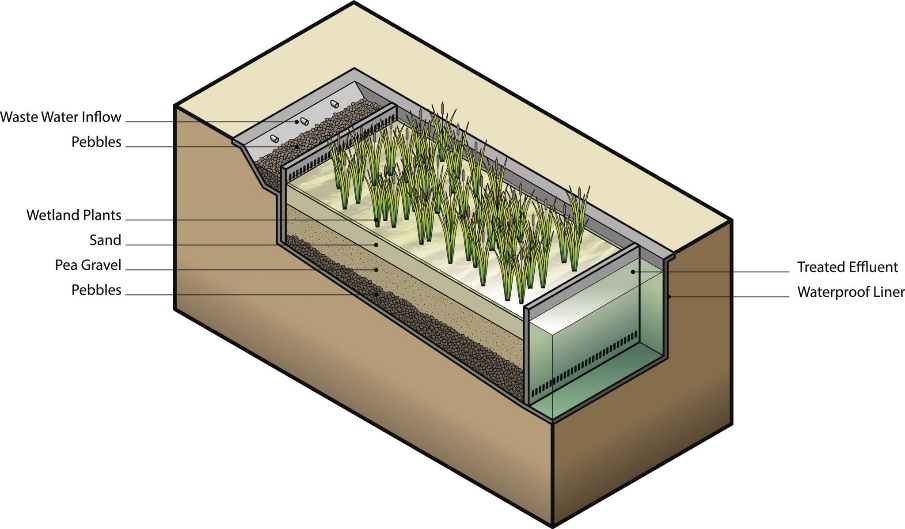
which leverage natural biological processes and the natural slope of the hill to treat greywater effectively without high energy consumption for pumping.
- Commercial and Institutional Focus: Dedicated attention is paid to the large volume of greywater generated by hotels, hospitals, and commercial establishments, which are often concentrated in urban centers. ULBs are strictly enforcing the installation of individual treatment units (like Grease Traps or small Sequential Batch Reactors) within these premises before discharge, ensuring adherence to environmental norms.
Sanitation and Faecal Sludge Management (FSM)
The mission is to sustain the Open Defecation Free (ODF) status through scientific, long-term maintenance of sanitation infrastructure.
- Community and Public Toilets (CSCs/PTs): Robust Community Sanitary Complexes (CSCs) and Public Toilets (PTs) are built and maintained, particularly at key tourist hubs, bus stands, and congested market areas. The maintenance is often outsourced to SHGs or private operators to ensure cleanliness and functionality 24/7.
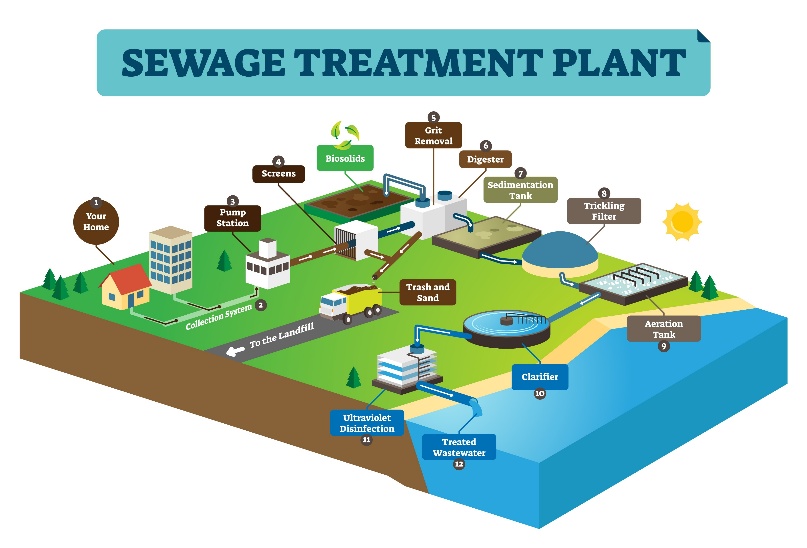
- The Urban Backbone: Septage Treatment Plants (STPs): The core of urban sanitation management is the safe disposal and treatment of faecal sludge from septic tanks. The focus is now on establishing and operationalizing robust Septage Treatment Plants (STPs) across major urban clusters. These STPs scientifically treat both liquid and solid components of the faecal sludge, converting the liquid into safe effluent (often reused for gardening or construction) and the solids into pathogen-free soil conditioner (manure). This critical infrastructure prevents this highly polluting waste the Faecal Sludge (FS) from contaminating the rivers and fragile ecology, representing a giant step towards achieving ODF++ status.
SafaiMitras and Community Empowerment
The SafaiMitras are the true foundation of the urban cleanliness mission. With their distinctive uniforms and essential Personal Protective Equipment (PPE)—gloves, masks, and boots they have been brought out of the shadows and into the center of the formal workforce.
- Dignity and Formal Integration: The SafaiMitras, many of whom were previously informal waste pickers, are now formally integrated into the municipal solid waste management system under SBM-U. They receive regular wages, skill-based training in scientific collection and segregation, and crucial social security benefits (such as health cards, e.g., Ayushman Bharat-PMJAY), ensuring the dignity of being recognized as essential service providers. Their empowerment is often facilitated by NGOs and local community-based organizations that focus on their professional skill development, financial inclusion, and safeguarding their health under schemes like the NAMASTE (National Action for Mechanized Sanitation Ecosystem).
- Unique, Innovative Practices and Partnerships: ULBs are leveraging the ‘Whole of Society’ approach by collaborating with various partners for resource recovery:
- Public-Citizen Partnership (Waste Exchange): Urban Local Bodies (ULBs), sometimes in collaboration with NGOs, run initiatives like ‘Plastic Lao, Thaila Pao’ (Bring Plastic, Take a Bag) campaigns, especially in tourist towns. This program incentivizes citizens and tourists who bring back segregated plastic waste (primarily bottles and packaging) from treks or city areas with rewards like reusable cloth bags or discounts. This effectively turns every resident and visitor into an active partner in the “Clean Mountain Mission,” reinforcing segregation and reducing litter.
- Cross-Departmental Collaboration (NRP Use): A critical urban best practice is the utilization of Non-Recyclable Plastic Waste (NRP)—the low-value plastic waste left after all recyclables are extracted at the MRFs. In direct collaboration with the Public Works Department (PWD), this NRP is shredded and mixed with bitumen for plastic road construction. This innovation serves a dual purpose: it provides a sustainable, high-volume disposal route for plastic waste and creates more durable, water-resistant roads, a vital advantage in the heavy rainfall and challenging mountain terrain of Jammu & Kashmir urban areas.
From collection on foot in the snow-clad peaks to the automated presses of the MRFs and the quiet hum of the CBG plants, the waste management ecosystem in Jammu and Kashmir is a testament to the power of a holistic, people-centric and terrain-sensitive model. It’s a clear message: in the mountains, waste is not a burden, but a valuable resource waiting to be unlocked.
