As the official timeline for the Green Campus initiative draws toward its conclusion, one might expect the momentum to slow down, but in the heart of Kashmir, the reality is exactly the opposite. Instead of a quiet end, we are witnessing a remarkable surge of energy and passion from local communities who have taken this mission to heart. The recent certifications in Watergam and Pulwama show that this movement has moved beyond being a government program and it has become a deeply personal goal for the people who live and work in these institutions.
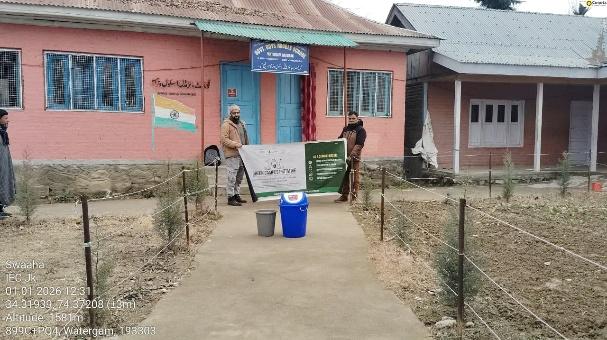
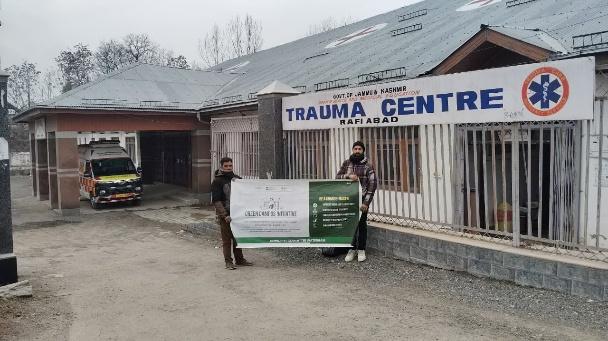
In Watergam, the atmosphere is buzzing with a sense of collective achievement. The Trauma Hospital Watergam has achieved something truly special by becoming a Green Campus. In a high-pressure medical environment where waste management is usually a massive challenge, the staff here has proven that cleanliness and healing go hand in hand. By strictly following waste segregation and ensuring the premises remain entirely plastic-free, they have turned a place of pain into a sanctuary of health and environmental care. Right next door, the Government Middle School Watergam has mirrored this success. It is heartwarming to see young children and their teachers working with such sincerity to maintain hygienic sanitation and eco-friendly habits. For these students, the Green Campus certificate is not just a piece of paper on the wall and it is a badge of honor that represents their hard work in keeping their second home clean.
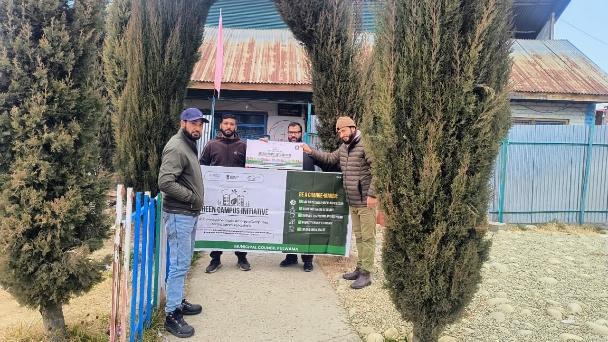
The spirit of this change is just as vibrant in Pulwama, where the Muslim Model Educational Trust has earned its recognition as a Green Campus. The Municipal Council Pulwama found that the institution has gone above and beyond in managing solid waste and fostering a sustainable learning environment. What stands out most here is the genuine enthusiasm of the students. They aren’t just following rules because they have to; they are doing it because they truly want to see a cleaner Kashmir. This shift in mindset is the real success story. It shows that even as the formal campaign reaches its final stages, the behavioral change it has sparked is here to stay.
Seeing these institutions across Watergam and Pulwama step up at this stage of the campaign is incredibly moving. It proves that the people of Jammu and Kashmir are not just participating in a project but are leading a permanent change in how they treat their surroundings. The dedication of the doctors, the passion of the teachers, and the tireless efforts of the students show that the dream of a garbage-free and eco-sensitive region is becoming a reality through their own hands. Even as the initiative winds down, the roots of this green revolution are only growing deeper.