
In the quiet lanes of Bandipora, where the breeze often carries the scent of the nearby mountains, a woman named Asiya Altaf was watching a different kind of change. She saw the land she loved becoming heavy with plastic and the water bodies choked with discarded scraps of cloth. While most people saw “trash,” Asiya saw a chance to mend the environment, one stitch at a time.
This is the story of how a single cotton bag sparked a green revolution.
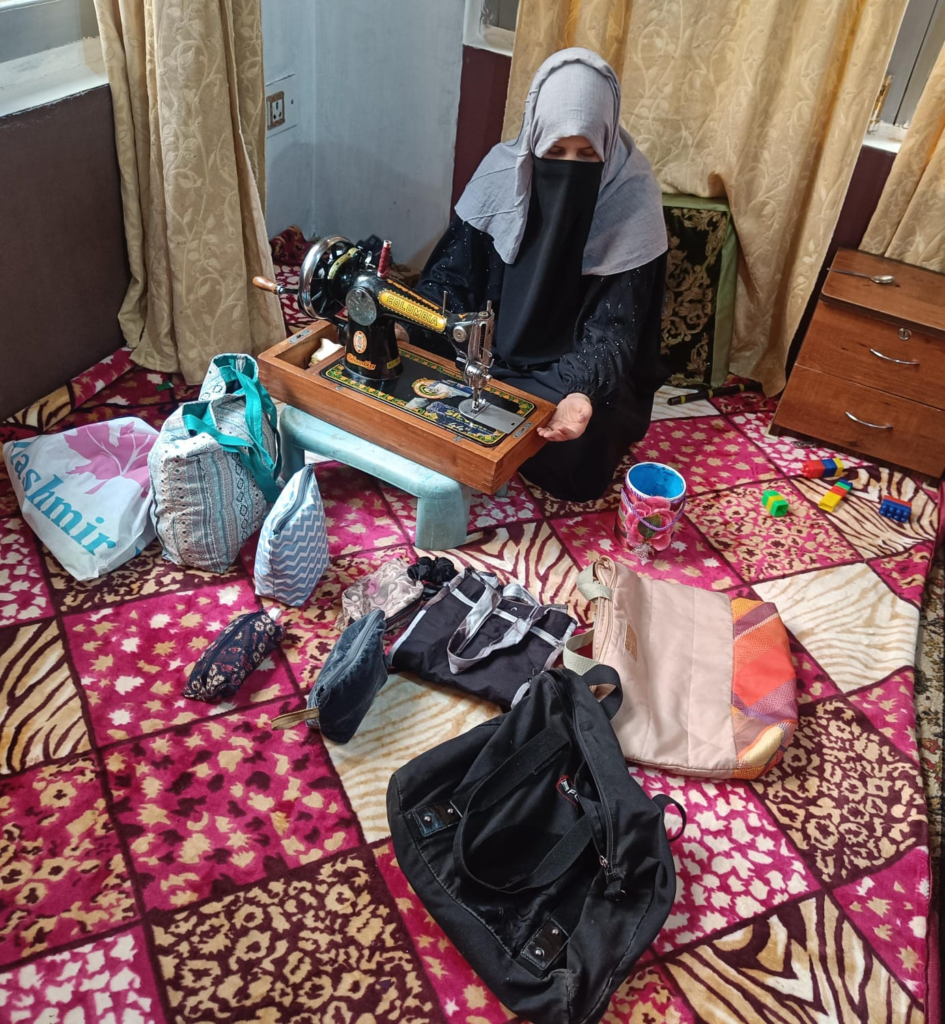
It began with a realization. Asiya noticed that tailors and households were throwing away vast amounts of cloth material that would take years to break down or, worse, end up polluting the local streams.
“If we don’t use this,” she thought, “we are losing our land.”
With that spark of inspiration, she gathered a few pieces of simple cotton cloth. Sitting at her sewing machine, she crafted her very first bag. It wasn’t just a container; it was a small, stitched promise to protect her home. That first success gave her the confidence to turn a personal project into a community mission.
Asiya’s process is a masterclass in care and quality. She doesn’t just “reuse” cloth; she transforms it.
• She visits local tailors and homes to collect the fabrics others have cast aside.
• Every piece of cloth undergoes a rigorous cleaning process. It is washed, dried under the sun, and ironed until it looks brand new.
• Only then does the cutting and stitching begin.
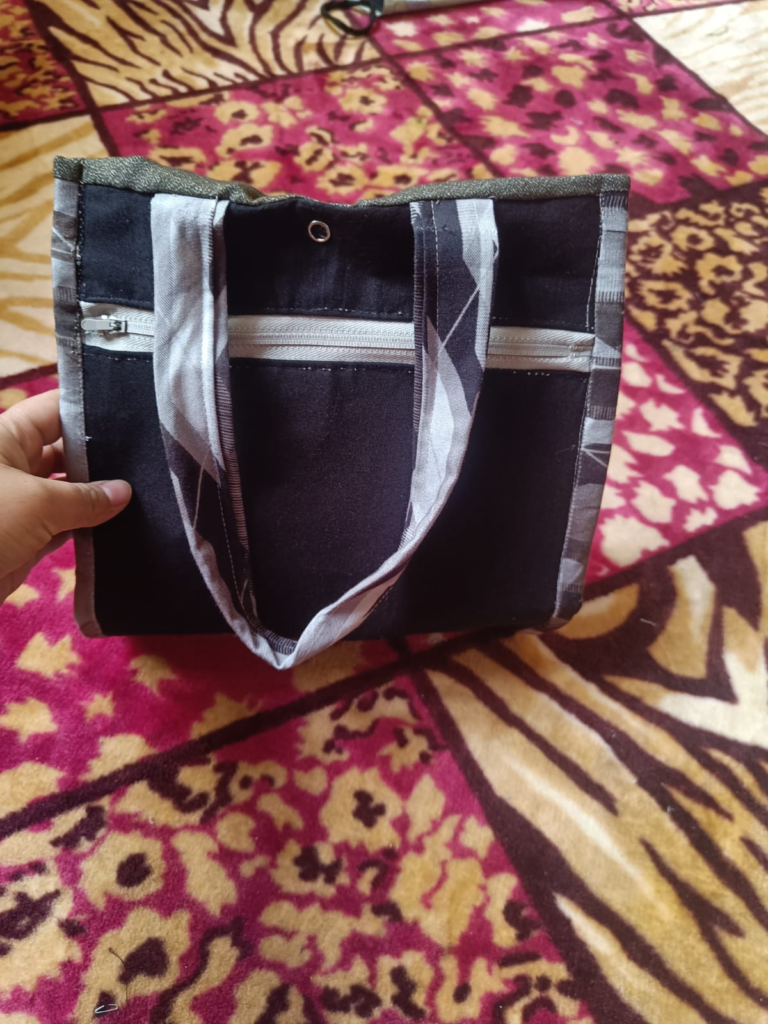
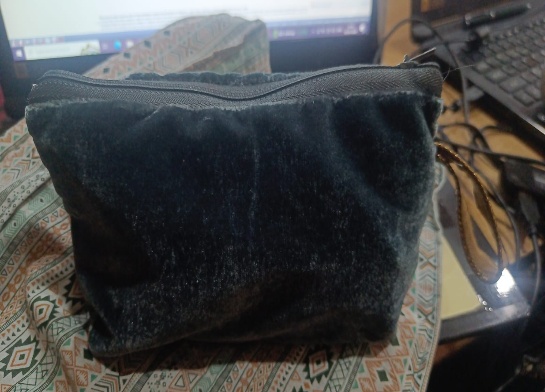
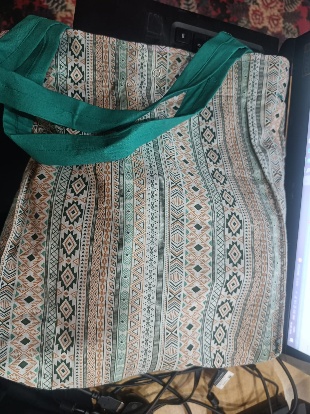
Today, her workspace is filled with a vibrant variety of creations. From sturdy vegetable and shopping bags designed to replace harmful polybags, to delicate hair accessories, pen pouches, and rubber bands, Asiya has proven that sustainability can be both beautiful and practical.
Asiya didn’t want to walk this path alone. While she values the focus of working individually, she now leads a small group of two to three other local women. Together, they share ideas, support one another, and find a sense of purpose.
While they are still working toward full financial stability, the initiative provides a vital “helping hand” for their daily needs, reducing the financial burden on their families while they do work that matters.
The impact is already visible in the local markets. Shopkeepers and neighbors have begun to trade their single-use plastics for Asiya’s colorful cloth bags. Priced affordably between ₹40 and ₹60, her bags are made for everyone.
“I see a difference,” Asiya says with pride. “The drains are less clogged, and the plastic that used to litter our streets is fading away.”
Asiya’s dream is simple but bold: she wants to see Bagh, Bandipora become a completely plastic-free zone. She believes that if every woman takes a small step from within her own home, they can collectively shield the environment for the next generation.
Asiya’s Message: “Don’t wait for a grand opportunity. Start small, start at home, and together we can keep our world clean and healthy.”