A Partnership for Progress: November 2025
The “Hamari Safai, Humara Yogdaan” Movement
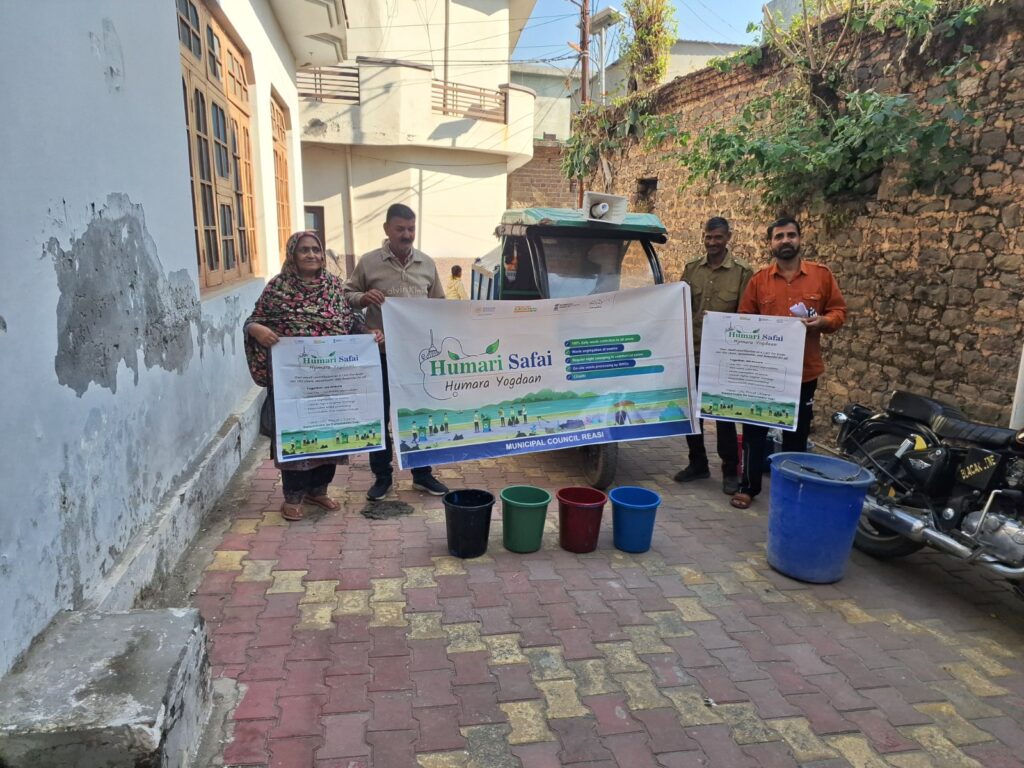
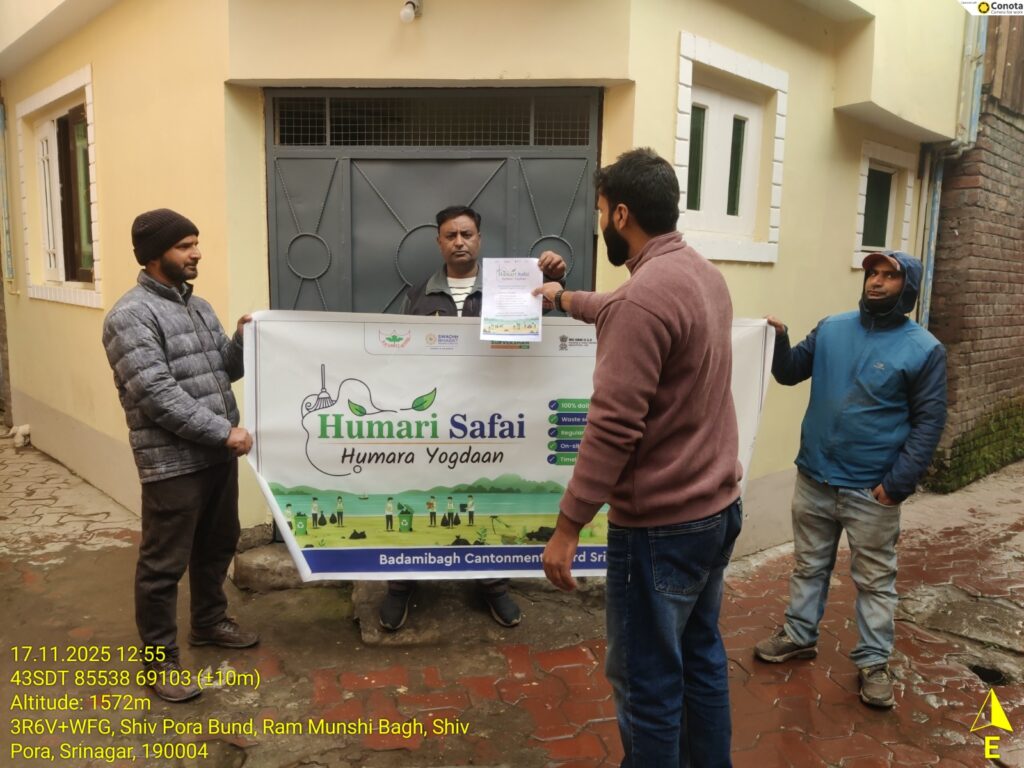
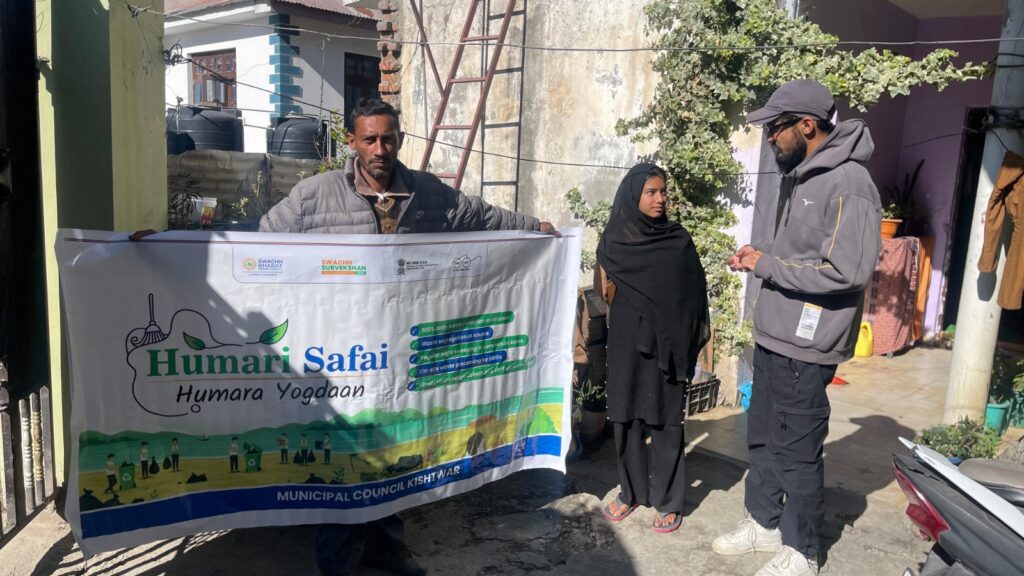
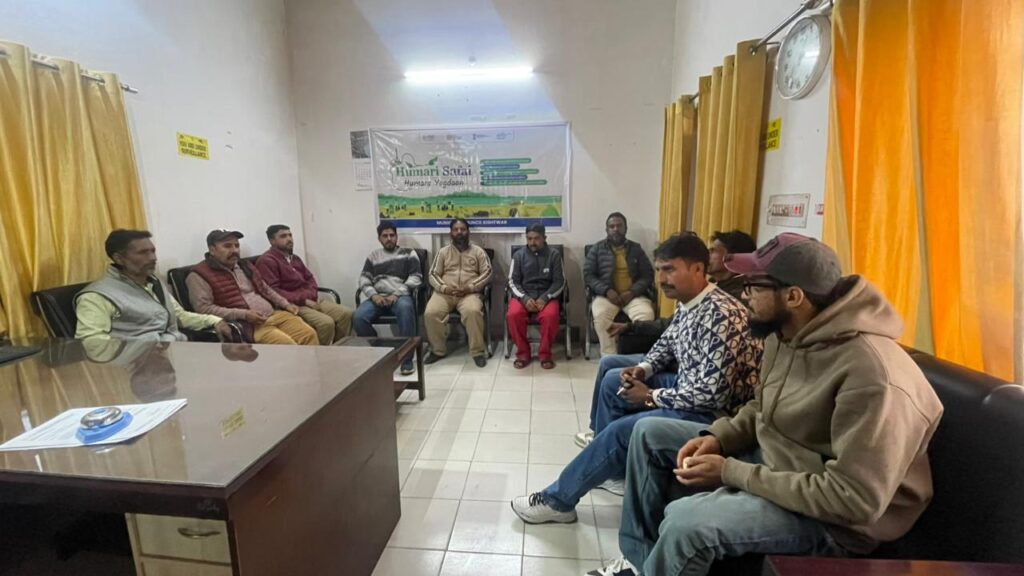
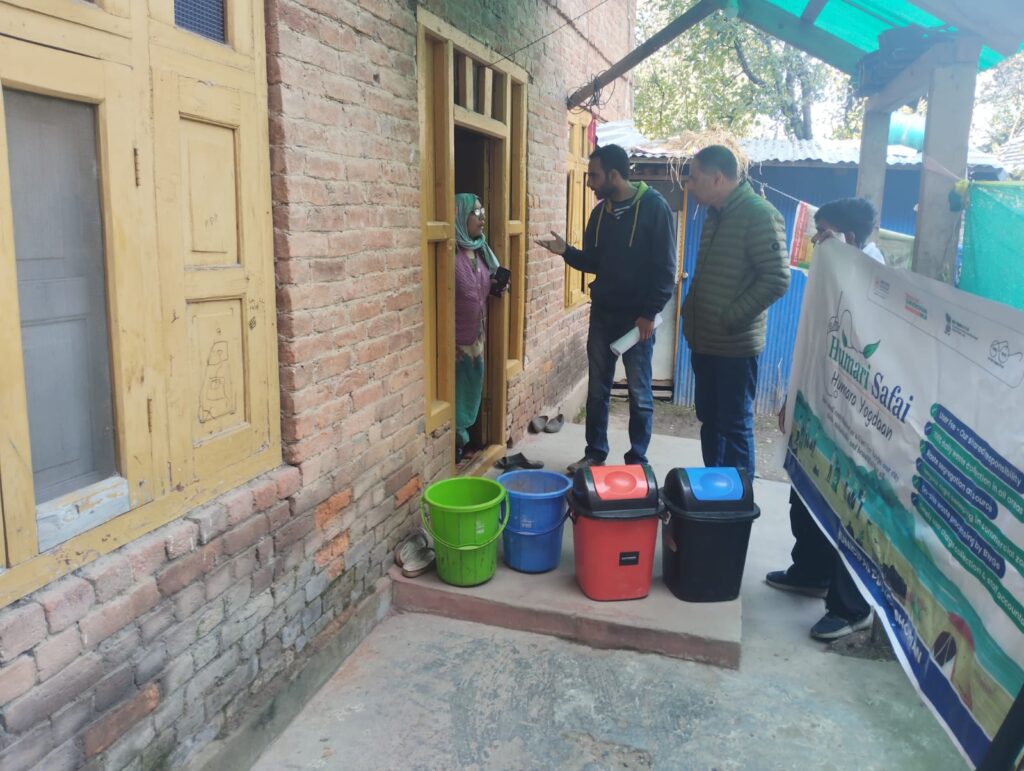
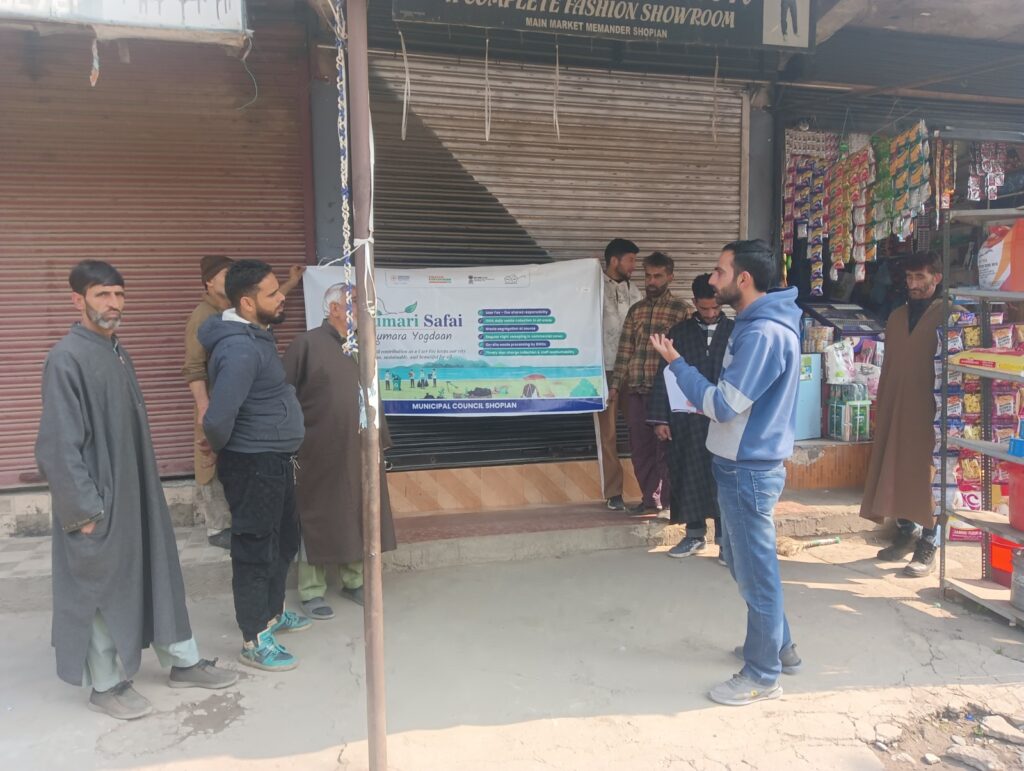
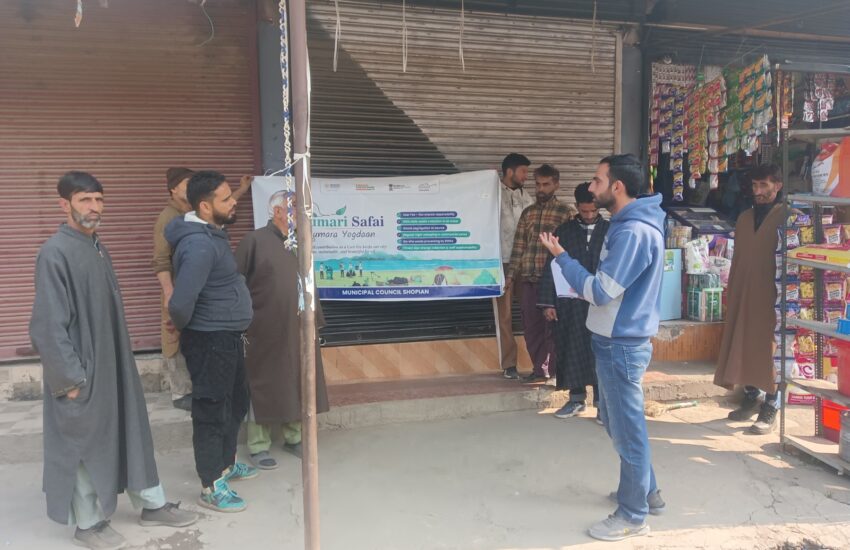
November witnessed the launch of a robust citizen mobilization drive titled “Hamari Safai, Humara Yogdaan“. This campaign focused on institutionalizing accountability by encouraging timely user charge collection and strengthening waste segregation at the source. Across 80 Urban Local Bodies (ULBs), 80 focused activities were executed, engaging residents and market associations directly. These efforts led to a significant uptick in 100% daily door-to-door waste collection and a noticeable improvement in source segregation compliance. To ensure pristine mornings, night sweeping operations were ramped up in key commercial zones.
Honoring Our Swachhata Champions
A major milestone this month was the finalization of our Swachhata Champions. The Directorate officially identified 480 local heroes, including a finalized list of 3 male and 3 female champions per region, drawn from citizens and NGOs. These advocates were immediately onboarded to lead local outreach and community engagement, serving as the face of behavioral change in their respective localities. Their voices were further amplified through video messages from influential leaders to inspire mass action.
Elevating Public Sanitation: The Clean Toilet Campaign
Coinciding with World Toilet Day, a 12-day intensive Clean Toilet Campaign was launched from November 19th to 30th. The mission conducted a comprehensive city-wide physical audit of public sanitation facilities using the FACES Parameters (Functionality, Accessibility, Cleanliness, Eco-friendliness, and Safety). A key highlight of this drive was the collection of over 4,000 public feedback entries via QR codes, ensuring that high standards of hygiene and maintenance were validated directly by the citizens.
Sustainable Foundations and Future Growth
The Green Campus Initiative continued its successful rollout, reaching a total of 1,093 identified green campuses. The focus remained on ensuring that large institutions such as hospitals and educational centers began on-site processing of wet waste and strictly enforced the ban on single-use plastics. To support these massive on-ground operations, the mission conducted over 1,000 capacity-building sessions, equipping field staff and ULB functionaries with the technical expertise to sustain these transformations.