
Swachh Bharat Mission (SBM) aims to create clean, healthy, and sustainable communities through proper waste management, sanitation improvements, and active citizen participation. To support this vision, it is essential to adopt structured best practices that ensure long-term cleanliness, efficient waste handling, and behavioural change among the public. The following sections outline key practices that can help Urban Local Bodies (ULBs), Gram Panchayats, institutions, and communities maintain high standards of sanitation and contribute effectively to the goals of SBM.
1. Solid Waste Management (SWM)
Segregation at Source
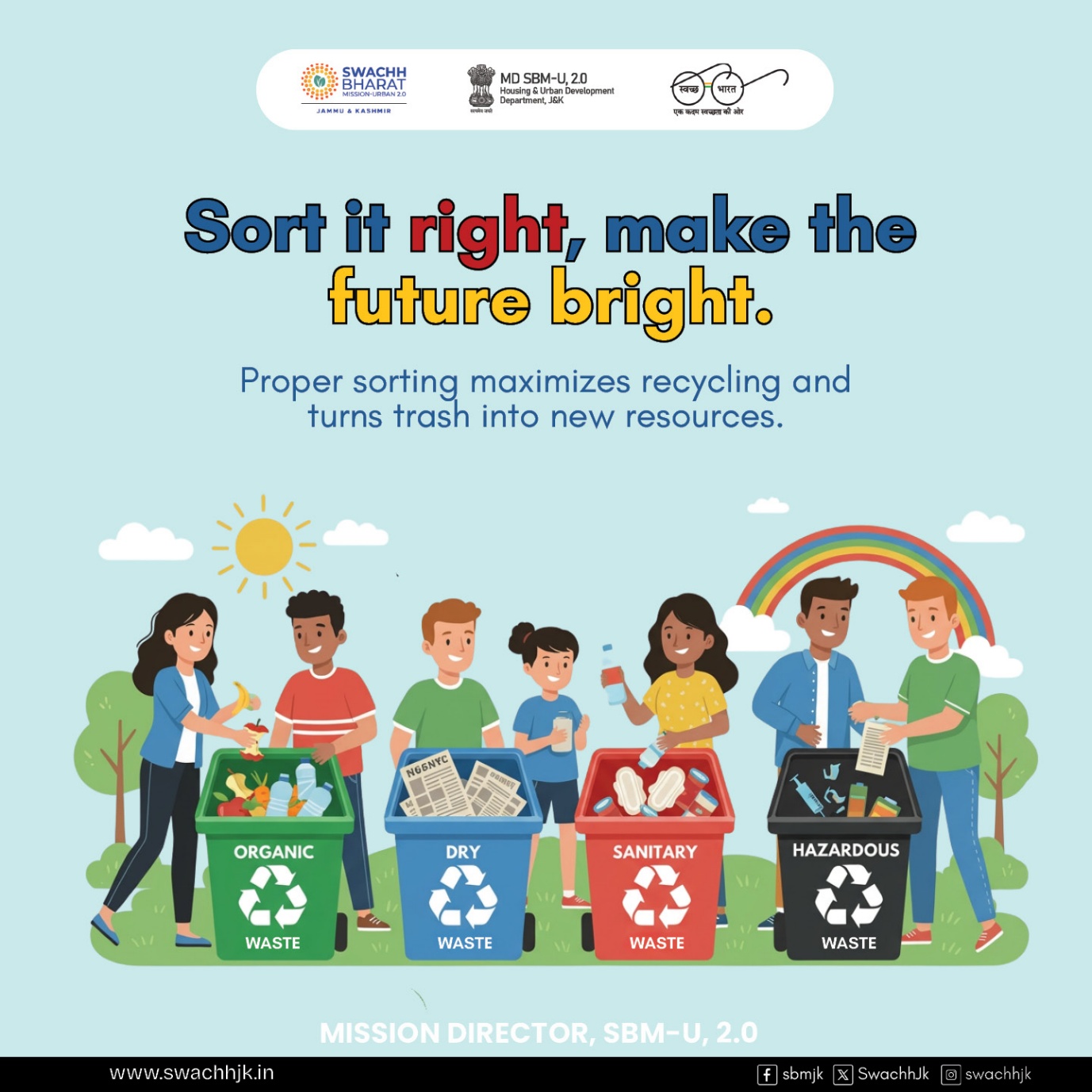
- Ensure 4-way segregation: wet waste, dry waste, and domestic hazardous waste.
- Provide households with colour-coded bins.
- Conduct door-to-door awareness drives.
Regular & Door-to-Door Collection
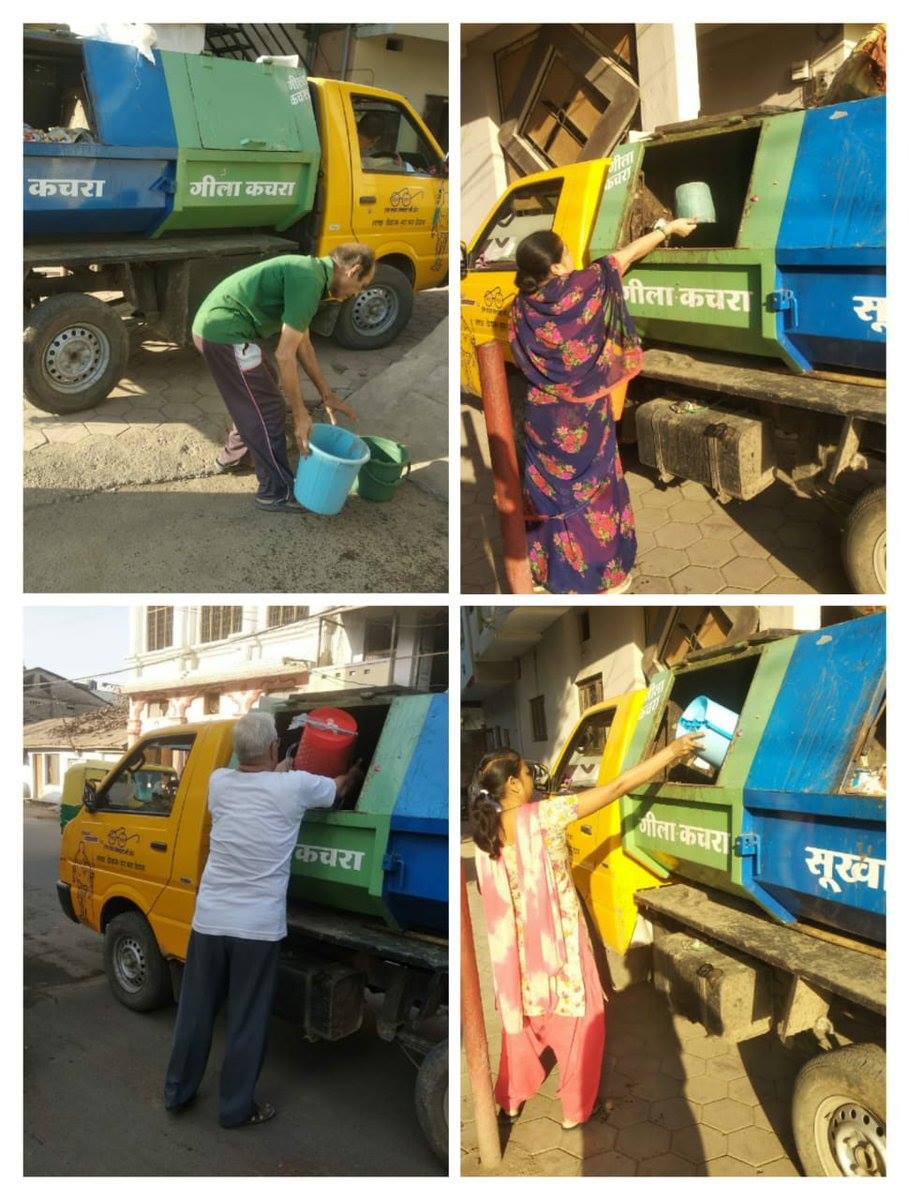
- Daily collection of segregated waste.
- Use GPS-tracked vehicles for monitoring.
- Ensure covered vehicles to avoid littering during transit.
Resource Recovery & Processing
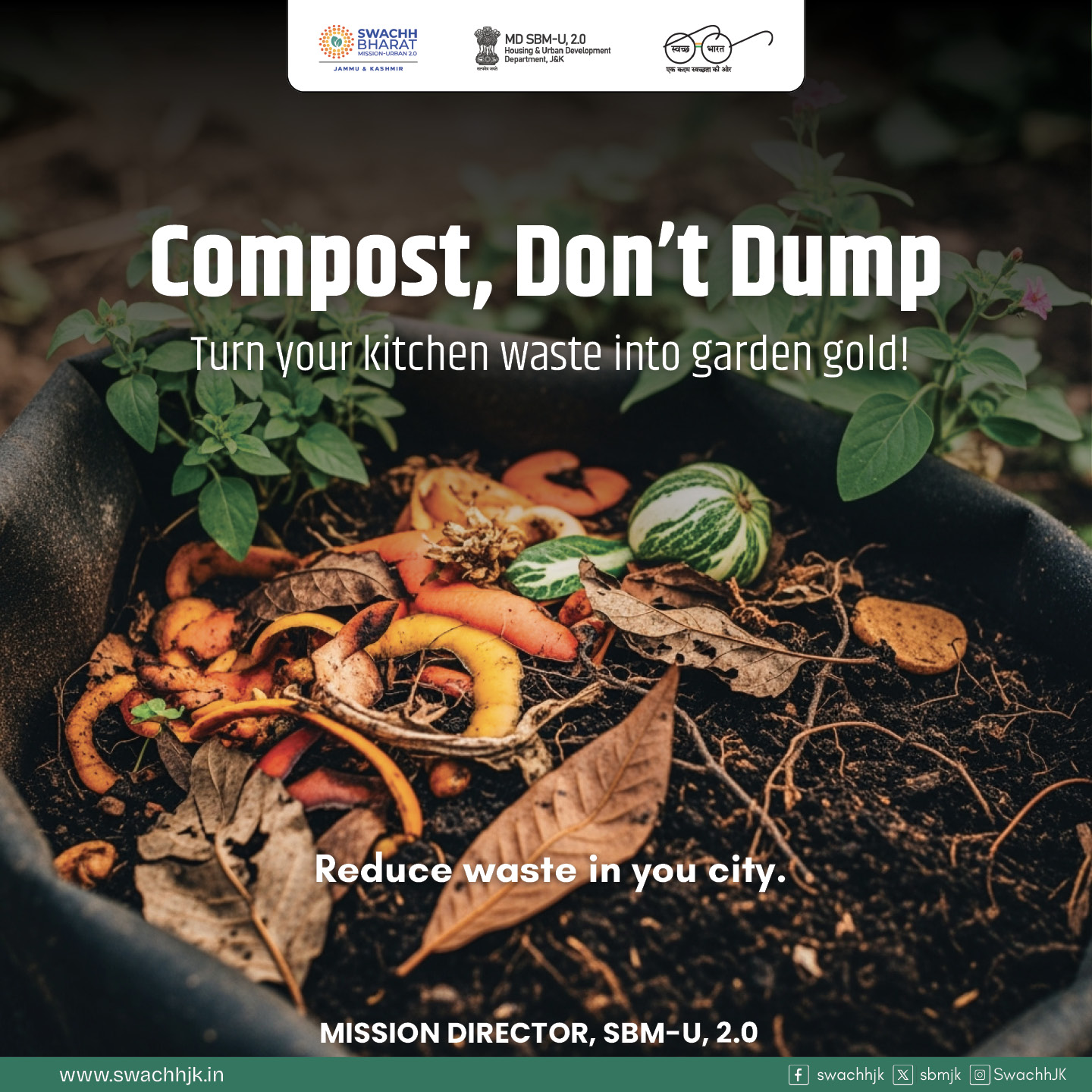
- Promote composting for wet waste (household/home composting + community composting).
- Establish Material Recovery Facilities (MRFs) for dry waste.
- Encourage recycling partnerships with local recyclers.
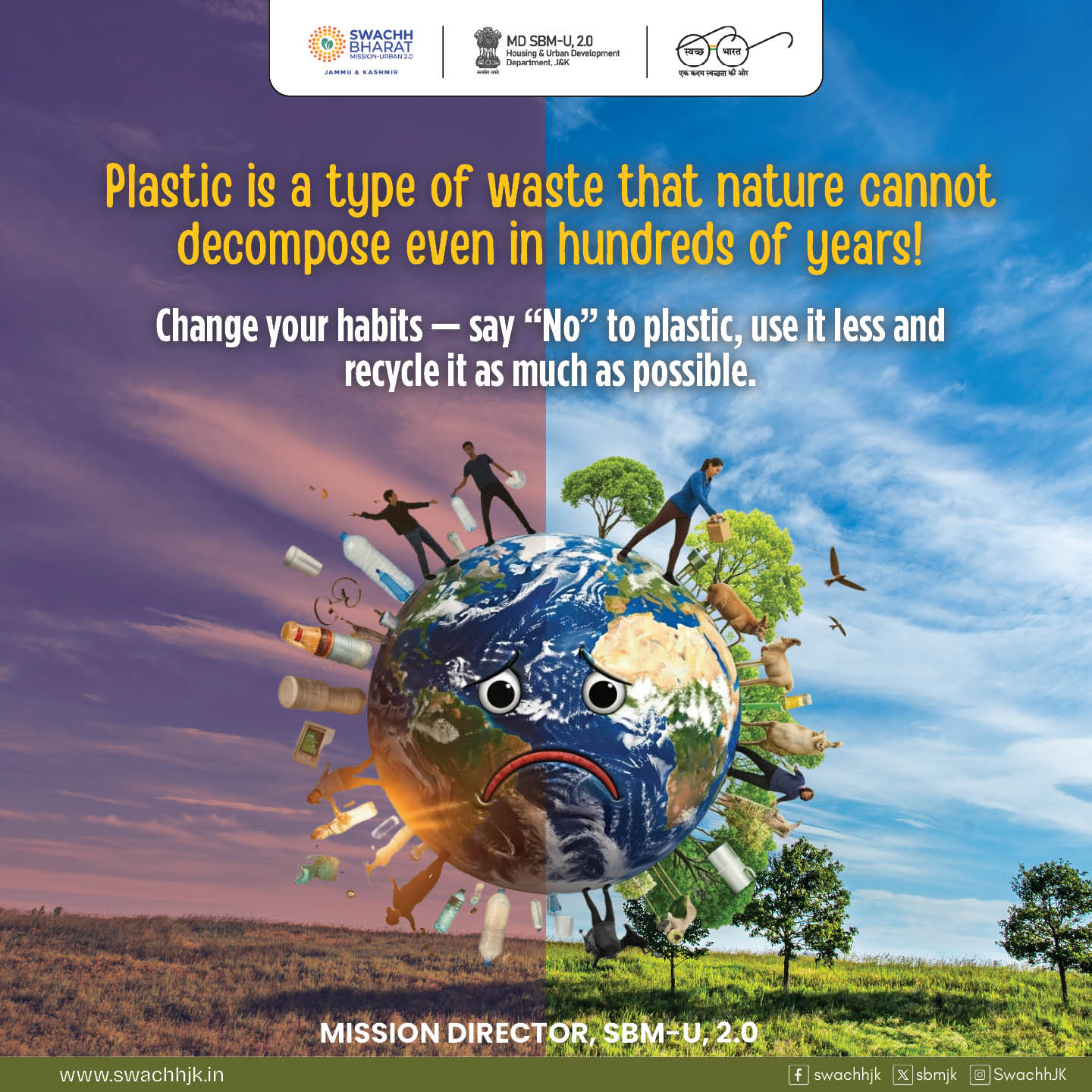
2. Plastic Waste Management
- Ban single-use plastics at local levels.
- Set up plastic collection centres.
- Organize plastic exchange programs (give waste plastic, get useful items).
- Promote upcycling and awareness camps.
3. Community Participation & Behaviour Change
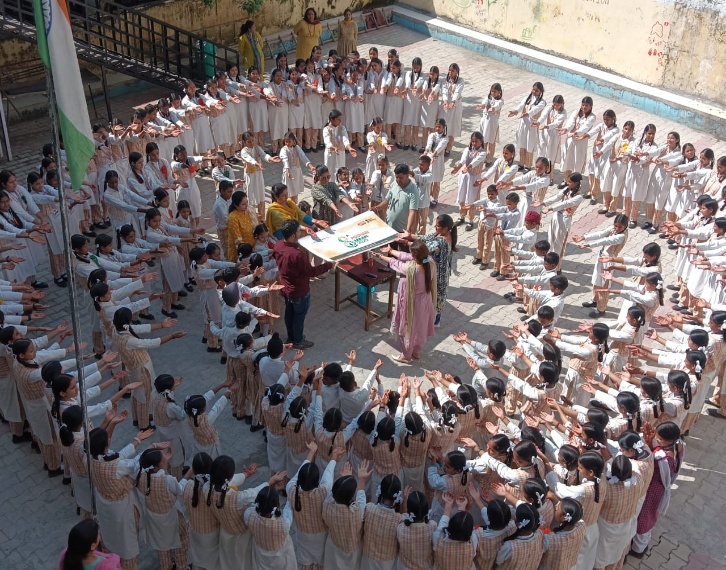
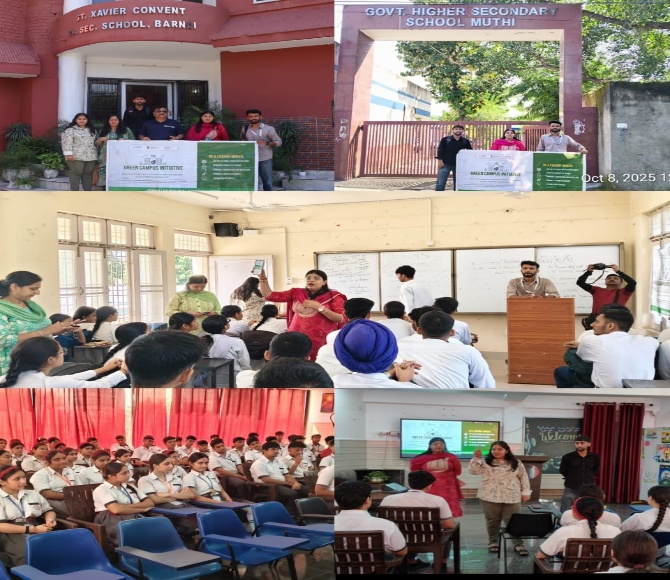
IEC (Information, Education & Communication) Activities
- Street plays, rallies, Swachhta drives.
- Social media awareness campaigns.
- Competitions in schools/colleges.
4. DIY Eco-Friendly Fashion: Transform Old Tees Into Stylish Bags
Ever wondered what to do with that pile of clothes you don’t wear anymore? Don't toss them! In this video, we will show you how to give your old, forgotten garments a second life by turning them into functional, stylish, and eco-friendly bags.
Click play to watch the full tutorial (2:58 minutes)